
One Hundred Trees
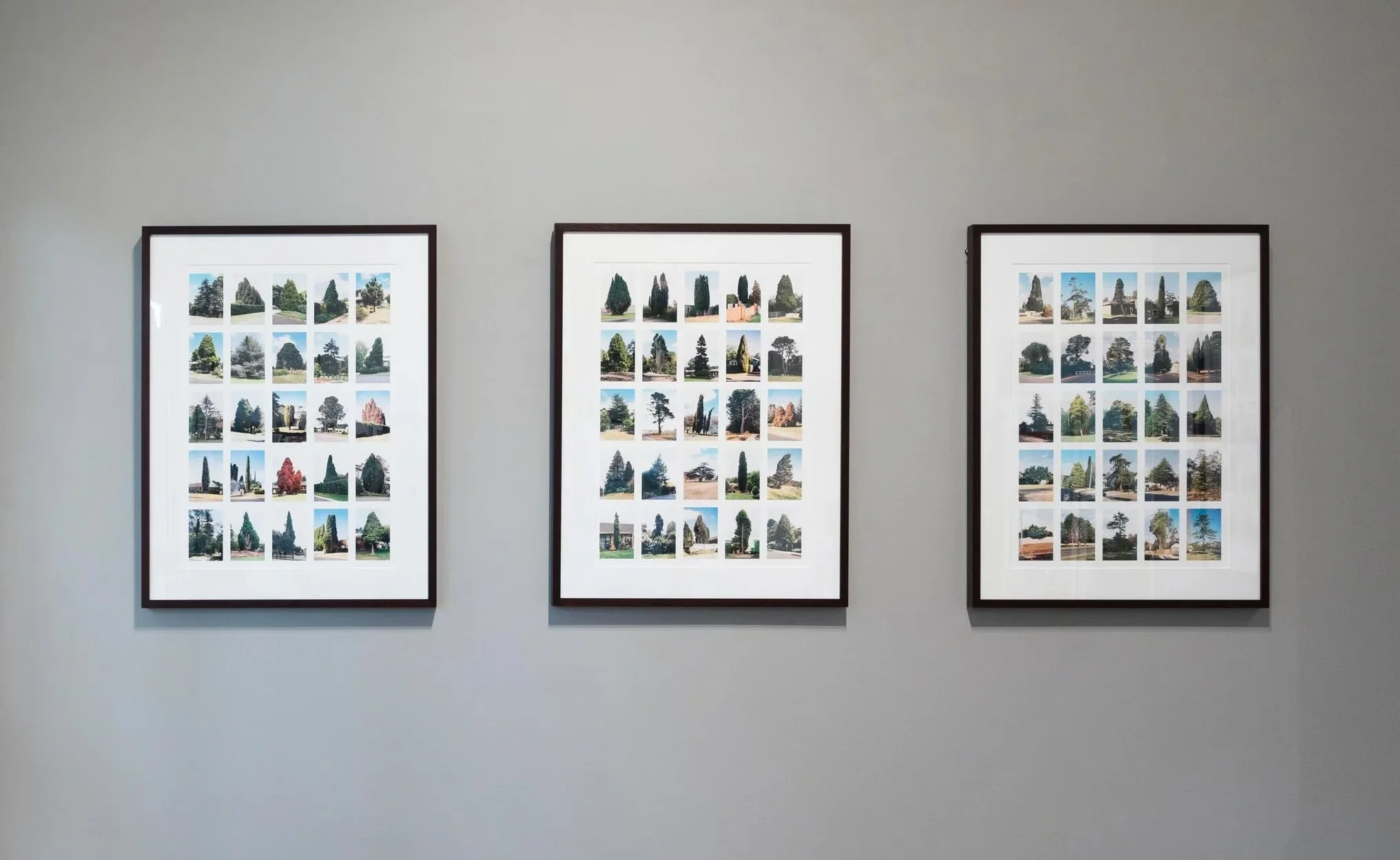
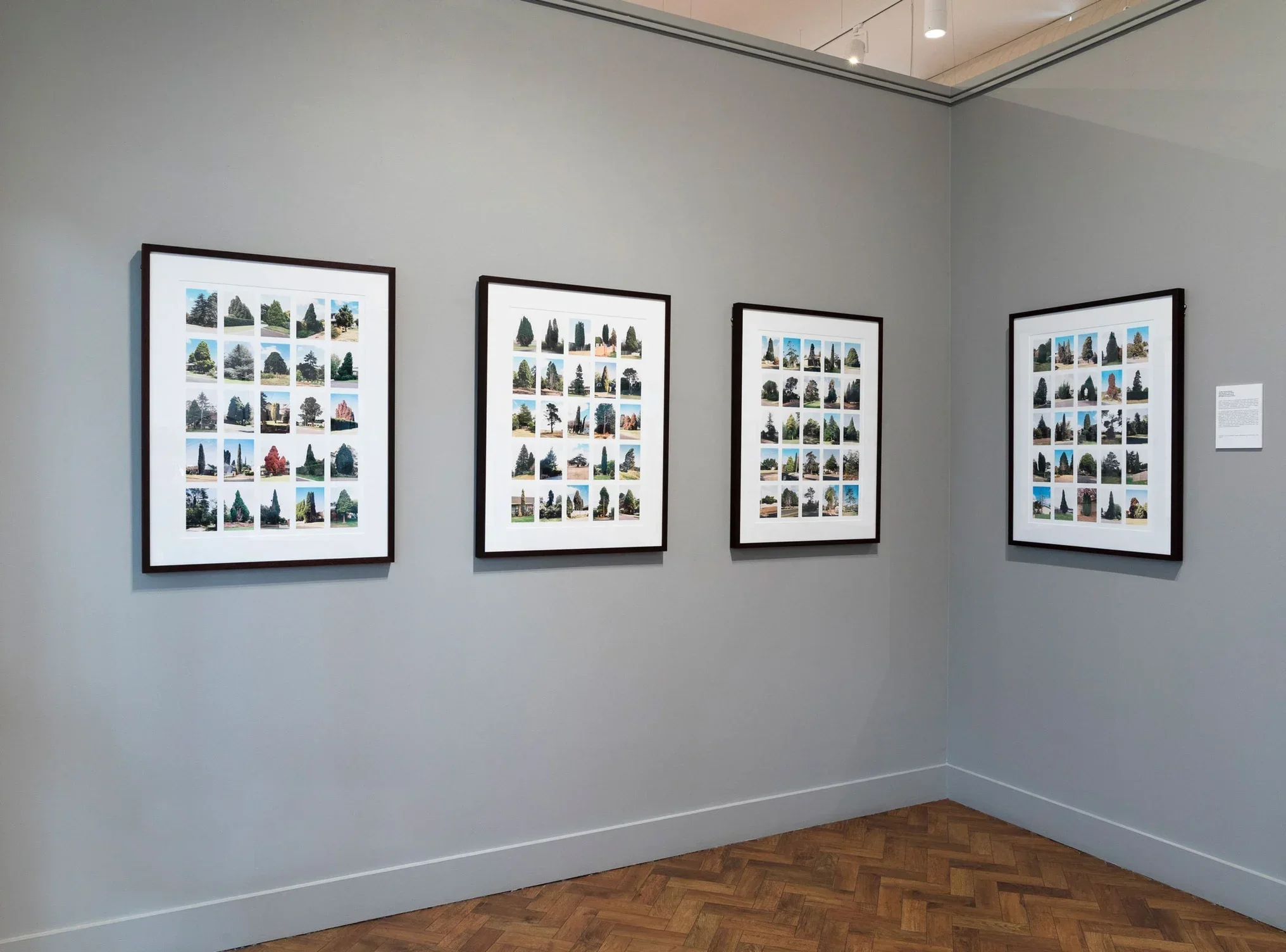
One Hundred Trees examines the presence of non‑native conifer trees in the Wingecarribee and Goulburn regions of New South Wales, considering them as quiet but persistent symbols of nostalgia and European vernacular embedded within the Australian landscape. Over several years, one hundred individual conifers were photographed and assembled into a typological study, each tree standing as a distinct marker of cultural memory and inherited aesthetic preference.
These trees are closely tied to the agricultural and social development of the region during its formation as a colonial outpost. Early settlers planted conifers as familiar anchors in an unfamiliar environment, drawing on European traditions of order, permanence and pastoral beauty. Their geometric silhouettes, evergreen foliage and association with estate gardens and rural homesteads made them ideal symbols of stability and aspiration in a landscape that was, to colonial eyes, both foreign and overwhelming.
Although their origins lie in the colonial past, conifers continue to shape the visual identity of the region. Their ongoing popularity reflects a lingering attachment to European ideals of landscape design, a preference passed down through generations and absorbed into local cultural norms. They function as living artefacts of historical identity, embodying the values, aesthetics and desires of those who planted them.
The series positions vegetation as an active participant in cultural history rather than a neutral backdrop. Each tree becomes a point of connection between past and present, revealing how ideas of landscape are shaped by memory, migration and inherited notions of beauty. In doing so, One Hundred Trees contributes to broader environmental and cultural conversations about how landscapes are understood, constructed and continually reinterpreted.
Exhibited at Goulburn Regional Art Gallery in 2019.
Images: Jennifer Leahy of Silversalt Photography.